Reviewing Layers of Iowa Embroidery Files
As an embroidery designer who has spent years digitizing patterns and testing machines for small business owners, I approach every new machine embroidery design with a critical eye. It is not just about whether the file runs smoothly; it is about how the final piece feels in a customer’s hands. Recently, I tested the Layers of Iowa Embroidery Files to see if they meet the high standards required for personalized gift products. This review is written from the perspective of a professional preparing these designs for a real-world shop, focusing on practical application, quality, and marketability.
First Impressions: Mood and Aesthetic Appeal
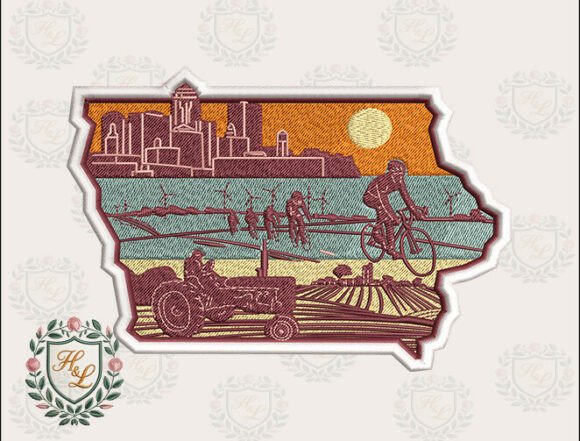
When I first loaded the Layers of Iowa Embroidery Files into my software, the immediate impression was one of warmth and nostalgia. The design does not scream for attention with loud colors or aggressive lines; instead, it invites the viewer in with a gentle, handmade charm. For sellers targeting the North America market, where rustic and homegrown aesthetics are perennially popular, this emotional appeal is crucial. The design feels classic yet modern enough to fit into contemporary nurseries or minimalist kitchens.
The level of detail suggests a thoughtful digitization process. It strikes a balance between simplicity and intricacy, which is essential for a versatile embroidery file. Whether you are aiming for a sweet, playful look for a baby item or an elegant, romantic vibe for a wedding keepsake, this design adapts well. It avoids looking too corporate or stiff, maintaining that coveted "handmade product" feel that drives sales on platforms like Etsy.
Versatility Across Product Lines
One of the strongest aspects of the Layers of Iowa Embroidery Files is its adaptability. In my test run, I evaluated how the design would perform across various substrates. Here is how it holds up for different personalized gift categories:
- Baby Embroidery: The soft lines work beautifully on onesies and receiving blankets. However, because baby skin is sensitive, ensuring the back of the embroidery is clean and free of scratchy knots is vital.
- Wedding Gifts: When stitched on high-quality linen, the design exudes elegance. It serves as a lovely accent for ring bearer pillows or custom tote bags for bridesmaids.
- Kitchen and Home Decor: This is perhaps the strongest category. An embroidered towel or apron featuring this design becomes an instant heirloom. The motif complements farmhouse and modern rustic decor styles perfectly.
- Nursery Decor: On pillow covers or wall hangings, the design adds a focal point without overwhelming the room. It pairs well with neutral thread colors for a serene atmosphere.
For an Etsy seller or small shop owner, having a design that can be marketed across multiple niches increases inventory efficiency. You can create a cohesive collection of custom embroidery items, from blankets to tote bags, using the same core asset.
Technical Considerations and Fabric Challenges
While the design is visually appealing, practical execution requires attention to detail. As a professional, I always advise testing on scrap fabric before committing to expensive materials. Here are specific areas where the Layers of Iowa Embroidery Files require careful handling:
Fabric Texture and Stability
The performance of any digital embroidery file is heavily dependent on the fabric texture. On smooth cottons or linens, the stitches lay flat and crisp. However, when working with textured fabrics like terry cloth towels or thick fleece blankets, the smaller details may get lost. I recommend using a cut-away stabilizer for stretchy baby clothes to prevent distortion after washing. For woven fabrics like tote bags, a tear-away stabilizer usually suffices, but always check the stitch density.
Thread Color Contrast
To maximize visual impact, thread color selection is key. On dark fabrics, ensure you use high-contrast thread colors so the design does not disappear. Conversely, on light fabrics, subtle tonal variations can create a sophisticated, understated look. I suggest creating a printable mockup or stitching a sample swatch to compare light and dark fabric options before listing the item for sale.
Hoop Size and Placement
Before purchasing or using the file, confirm the available hoop sizes. If the design is large, it may require re-hooping or a larger machine frame. For curved surfaces like baby hats or rounded pillow corners, placement is critical. Ensure the design is centered and that the stabilizer extends well beyond the hoop area to prevent puckering.
Enhancing Perceived Value and Customer Trust
In the world of online selling, product photography and perceived value are everything. The Layers of Iowa Embroidery Files lend themselves well to high-quality imagery. Because the design has clear lines and emotional resonance, it photographs beautifully. A well-lit photo of an embroidered towel or a cozy blanket can significantly boost buyer engagement.
Using a recognized, high-quality design builds customer trust. When buyers see precise stitching and thoughtful design choices, they perceive the item as a premium personalized gift rather than a mass-produced commodity. This emotional connection encourages repeat business and positive reviews. For wedding gift designers, the elegance of the design signals that the item is a lasting keepsake, justifying a higher price point.
Practical Steps for Commercial Use
If you are planning to use these files for commercial embroidery, follow this checklist to ensure success:
- Check Licensing: Always confirm the commercial licensing terms provided with the Layers of Iowa Embroidery Files. Ensure you are allowed to sell finished products made with the design.
- Test Stitch Density: Review the stitch count and density in your software. If the density is too high for lightweight fabrics, it may cause puckering. Adjust tension settings accordingly.
- Verify File Formats: Ensure the download includes the file format compatible with your specific embroidery machine. Common formats include PES, DST, and JEF, but this varies by designer.
- Quality Control: After stitching, inspect the back of the embroidery. Trim loose threads and ensure no bobbin thread is visible on the top side. This attention to detail defines a professional small shop product.
- Wash Testing: Wash and dry a test piece to check for shrinkage or thread bleeding. This is especially important for baby products and kitchen items that will undergo frequent laundering.
In conclusion, the Layers of Iowa Embroidery Files offer a charming, versatile option for embroidery makers looking to expand their product lines. With careful attention to fabric choice, stabilizer selection, and thread contrast, this design can elevate simple items into cherished keepsakes. Whether you are creating a baby shower gift, a wedding present, or a home decor item, this design provides the aesthetic quality needed to stand out in the competitive handmade market. Always remember to verify specific technical details like hoop size and license terms directly from the source before beginning production.