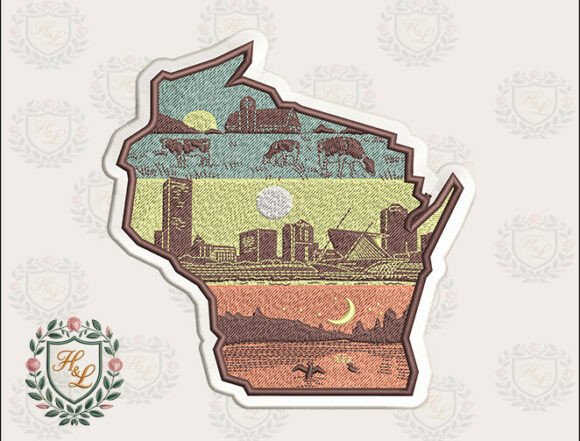
Review: Layers of Wisconsin Embroidery Files
As an embroidery designer who has spent countless weekends behind a craft fair table, I have learned that not every digital file translates into a bestseller. The gap between a design looking good on a screen and selling well in person is often bridged by practicality, visual impact, and production efficiency. Recently, I evaluated the Layers of Wisconsin Embroidery Files with a specific goal in mind: determining its viability for a high-traffic handmade market booth. This review focuses on real-world application for craft fair sellers, Etsy shop owners, and boutique makers looking to expand their North America-themed product lines.
First Impressions and Aesthetic Appeal
The first thing I look for in a new machine embroidery design is immediate recognizability. The title "Layers of Wisconsin" suggests a design that likely incorporates topographical elements, state outlines, or perhaps a stylized map aesthetic. Based on the description highlighting it as a high-quality digital appliqué, my initial impression is that this design leans toward a modern, rustic, and slightly premium feel. It does not scream "cheap souvenir"; instead, it hints at a thoughtful, layered construction that appeals to locals proud of their heritage and tourists seeking authentic memorabilia.
For a craft fair setting, this aesthetic is crucial. Customers walking past a booth scan items in seconds. A design that feels bold yet elegant stands out against the noise of generic clipart. The appliqué nature of the Layers of Wisconsin Embroidery Files suggests texture and depth, which draws the eye and invites touch—a key factor in converting browsers into buyers.
Versatility Across Product Categories
A successful craft fair product must be versatile. I tested the potential of this design across several common handmade items. Here is how it performs:
- Tote Bags and Market Bags: This is arguably the strongest candidate for this design. A canvas tote provides a large, flat surface where the layers of the design can shine. As a tote bag design, it serves as both a functional item and a statement piece. The appliqué technique adds durability, ensuring the design withstands the wear and tear of grocery runs.
- Aprons and Tea Towels: For kitchenware, the design works well as a focal point. Apron embroidery benefits from the clean lines of appliqué, which lays flatter than dense satin stitching. However, for tea towel embroidery, one must be cautious. The fabric texture of waffle weave or thin cotton can distort small details. I recommend using a cut-away stabilizer to maintain integrity.
- Patches and Pouches: Creating an embroidered patch allows for batch production. You can hoop a large sheet of felt or twill, stitch multiple instances of the design, and cut them out later. This is ideal for small shop products that need quick turnover. Small fabric pouches also benefit from this design, provided the scale is adjusted correctly.
- Pillow Covers and Home Decor: For festive decorations or everyday home decor, the design adds a regional charm. It works particularly well on neutral linen or denim covers, creating a farmhouse or modern rustic vibe that is currently trending in interior design.
Production Practicality for Sellers
From a business perspective, the Layers of Wisconsin Embroidery Files offer significant advantages for the busy maker. Appliqué designs are generally faster to stitch than full-coverage satin or fill designs because large areas are covered by fabric rather than thread. This reduces thread consumption and machine time, allowing for higher profit margins on each finished product.
Furthermore, the design appears to be scalable. Whether used as a small accent on a cap or a large focal design on a pillow, the layered concept remains clear. This scalability is vital for an Etsy seller who needs to create various listings from a single digital embroidery file. It also simplifies the creation of printable mockups for online stores, as the design’s distinct shapes render clearly in digital previews.
Technical Considerations and Careful Use
While the design is promising, there are technical nuances to consider before launching your commercial embroidery line. Appliqué requires precision. If the placement stitch, tack-down stitch, and trim lines are not perfectly aligned, the final look can appear messy. I strongly advise testing the design on scrap fabric identical to your final product material.
Pay close attention to stitch density in the non-appliqué areas. If there are intricate borders or text, ensure they are not too dense for lightweight fabrics, which can cause puckering. Conversely, on thick fabrics like denim or canvas, ensure the needle size is appropriate to penetrate the layers without breaking.
Another critical factor is thread colors. Since this is a Wisconsin-themed design, traditional greens, blues, and earth tones will likely resonate best. However, always check contrast. If you are stitching on dark fabric, ensure your appliqué fabric is light enough to stand out, or use a contrasting border stitch to define the edges.
Enhancing Brand Consistency and Booth Display
Incorporating the Layers of Wisconsin Embroidery Files into your product line can strengthen brand consistency if your shop focuses on regional pride or handmade quality. When displayed together, items featuring this cohesive design create a visually appealing booth section that tells a story. This narrative engagement increases buyer retention time at your table.
For online listings, the design’s clarity helps in creating compelling design assets. High-quality photos of the textured appliqué on natural fabrics like linen or cotton can significantly boost perceived value. Customers associate the tactile quality of appliqué with higher craftsmanship, justifying a higher price point compared to simple printed goods.
Final Designer Notes and Licensing
Before you begin mass production, there are a few housekeeping items to address. First, confirm the hoop size requirements. Ensure your machine can accommodate the largest version of the design if you plan to make large tote bags or pillows. Second, verify the license terms. Most designers allow commercial use for finished physical products, but restrictions may apply to reselling the embroidery file itself. Always read the specific license included with your purchase.
Additionally, consider the stabilizer type. For appliqué on stretchy fabrics like t-shirts, a medium-weight cut-away is essential. For woven fabrics like tote bags, a tear-away might suffice, but test for stability. Finally, inspect the design for any tiny details that may get lost if scaled down too small. If you plan to make small items like coin purses, ensure the "layers" remain distinct and do not merge into a blob of thread.
In conclusion, the Layers of Wisconsin Embroidery Files represent a strong addition to any maker’s library targeting the North American market. With its blend of rustic charm and modern appliqué technique, it offers versatility, production efficiency, and high visual appeal. By paying attention to fabric choice, stabilizer selection, and color contrast, you can transform this digital file into a standout handmade product that resonates with customers and drives sales at your next craft fair.