Coffee Cup Embroidery Design File Review
As an embroidery designer who has spent countless weekends setting up booths at local craft fairs and managing an online handmade shop, I have learned that not every machine embroidery design is created equal. Some designs look fantastic on a screen but fail to translate into a tangible finished product that customers want to buy. Today, I am putting the Coffee Cup Embroidery Design File under the microscope. I am evaluating it not just as a digital asset, but as a potential revenue generator for my upcoming market season.
First Impressions: Minimalist Warmth for Modern Buyers
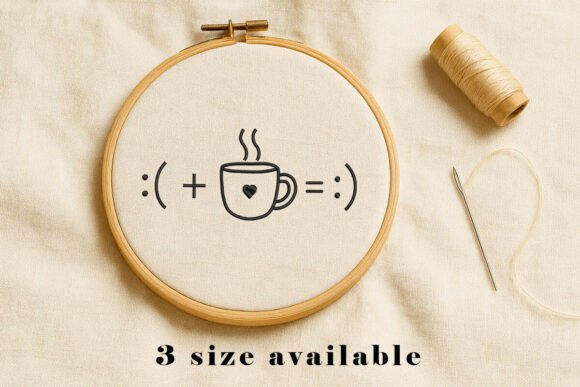
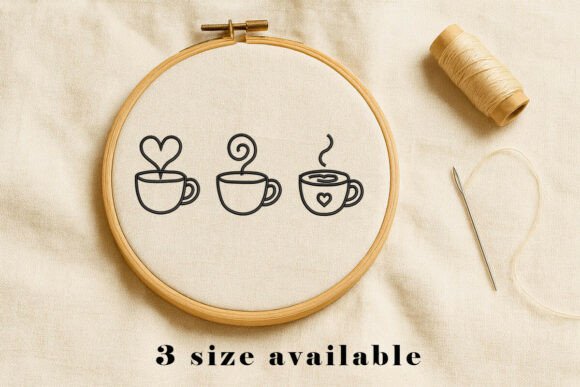
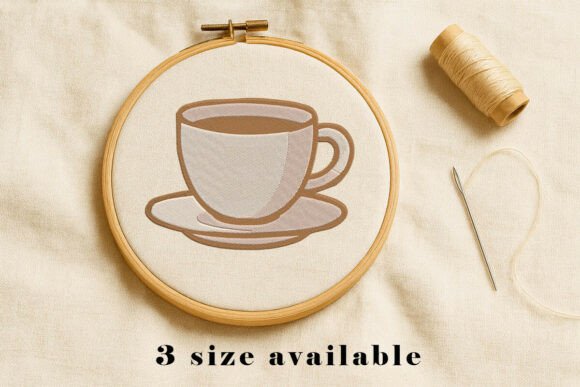
The moment I loaded the digital embroidery file, the first thing that struck me was its clean, minimalist aesthetic. In a market saturated with overly complex, dense patterns, this design stands out by offering simplicity. It feels cozy and inviting, perfectly capturing that "café charm" mentioned in the description. For a small shop product, this vibe is crucial. It appeals to the modern consumer who values understated elegance over loud, busy graphics. The design does not scream for attention; instead, it invites a closer look, which is exactly what you want when a customer is browsing your table.
This embroidery file leans heavily into the rustic yet refined category. It is not overly cute or childish, nor is it strictly industrial. It sits comfortably in that sweet spot of homey sophistication. This makes it versatile enough for a wide range of demographics, from college students looking for trendy tote bags to homeowners seeking unique kitchen decor.
Product Versatility: Where This Design Shines
The true test of any design assets package is its adaptability. Based on the description, this file is optimized for tote bags, tea towels, pillow covers, aprons, and wall frames. Here is how I see it performing in a real-world craft fair scenario:
- Tote Bags: This is likely the strongest seller. A tote bag design needs to be recognizable from a few feet away. The clean lines of this coffee cup will pop against canvas or cotton blends. It transforms a basic utility item into a lifestyle statement.
- Apron Embroidery: Kitchen linens are perennial favorites. Placing this design on the bib of an apron creates an immediate emotional connection. It suggests warmth, morning routines, and comfort. It is an easy upsell for anyone buying kitchen textiles.
- Tea Towel Embroidery: While the category is listed as Tea, the application here is broad. Embroidering directly onto linen or cotton towels adds significant perceived value. However, one must be mindful of the fabric texture. Looser weaves may require a cut-away stabilizer to prevent puckering.
- Pillow Covers and Wall Frames: These items serve as excellent booth decor. Even if they do not sell in high volume, they set the mood. A pillow with this design signals to passersby that your brand understands cozy living.
Production Practicality for the Busy Maker
For those of us running an Etsy seller account or a physical boutique, time is money. Batch production is key. This design appears to have manageable stitch density. It does not look like it will consume excessive thread or machine time, which keeps your cost of goods sold low. The minimal nature suggests fewer thread breaks and less trimming, allowing you to produce more units in less time.
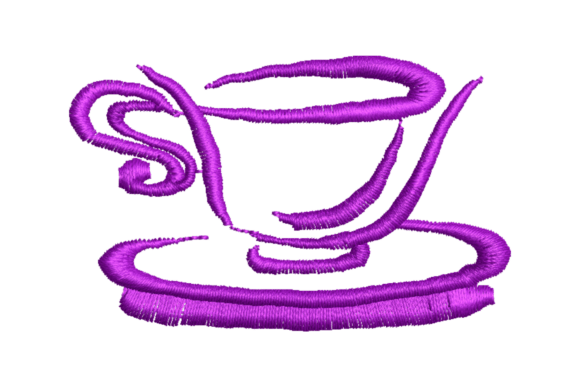
Photography is another critical factor. This design photographs beautifully because of its high contrast potential. Whether you use dark thread on light fabric or vice versa, the silhouette remains clear. This makes creating a printable mockup or listing images for your online store much easier. You do not need expensive lighting to make the details pop; the design does the heavy lifting for you.
Careful-Use Notes and Technical Considerations
While the design is robust, there are technical nuances to consider before you start stitching hundreds of units. Always check the specific file details provided by the creator, as I cannot verify the exact hoop size or stitch count from this review alone. However, here are general guidelines for this style:
- Fabric Choice: Avoid highly textured fabrics like thick terry cloth unless you use a strong topping stabilizer. The clean lines may get lost in the pile.
- Thread Colors: Stick to classic coffee tones—browns, creams, and soft grays. High-contrast neon colors would clash with the minimalist intent.
- Small Details: If scaling down for patches or small pouches, ensure the smallest elements remain visible. Tiny details can merge if the needle size is too large or the stabilizer is insufficient.
- Curved Surfaces: If applying this to caps, use a cap frame and appropriate backing. The curvature can distort simple shapes if not hooped correctly.
Boosting Brand Consistency and Customer Engagement
Using a cohesive design like the Coffee Cup Embroidery Design File helps build brand recognition. If you specialize in home goods or café-style accessories, this design becomes part of your visual identity. Customers begin to associate that specific clean, warm aesthetic with your shop. This consistency builds trust and encourages repeat business.
In a crowded craft fair aisle, clarity sells. A customer should understand what your product is within three seconds. This design communicates "comfort" and "quality" instantly. It elevates a standard handmade product into something that feels curated and professional. For commercial embroidery ventures, this reliability is invaluable. You are not just selling a stitched image; you are selling a feeling of home.
Final Designer Recommendations
Before committing to a large production run, always stitch out a test sample on your intended fabric. Check the tension and ensure the stabilizer provides enough support without being too stiff. Compare different thread colors to see which offers the best visibility and aesthetic appeal. If you are new to selling digital files, remember to confirm the commercial licensing terms included with the purchase. Most designers allow finished product sales, but restrictions on reselling the file itself are standard.
The Coffee Cup Embroidery Design File is a solid addition to any maker’s library. It balances artistic appeal with production efficiency. For craft fair product lines, it offers the versatility needed to create a diverse yet cohesive display. Whether you are an experienced Etsy seller or just starting your journey in Embroidery business, this design provides a reliable foundation for creating items that resonate with buyers seeking warmth and quality in their daily lives.