Review: Tree Roots Embroidery Design File
As an embroidery designer who spends countless hours digitizing patterns and testing them on various fabrics, I approach every new download with a critical eye. We all know the frustration of purchasing a digital embroidery file that looks stunning in the preview but turns into a bird’s nest of thread breaks and puckering on the machine. Recently, I came across the Tree Roots Embroidery Design File on Creative Fabrica, and it immediately caught my attention for its symbolic depth and minimalist aesthetic. I decided to put it through its paces to see if it holds up for real-world commercial projects.
First Impressions and Visual Mood
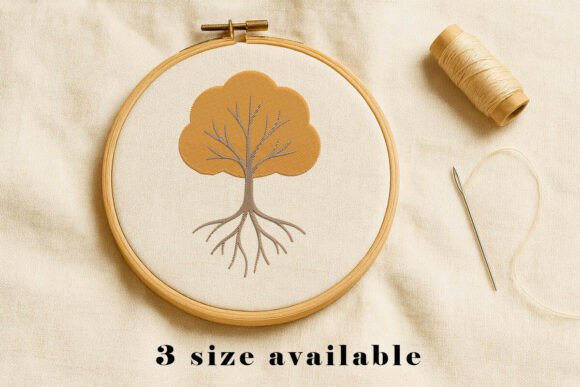
The first thing that strikes you about this design is its balance. The concept of showing both the branches reaching upward and the roots digging deep creates a powerful visual metaphor for stability and growth. In the world of Sewing and textile art, symbolism sells. This isn’t just a decorative element; it tells a story. The pattern is described as a symbolic minimalist pattern, which is crucial for modern handmade shops. Today’s buyers often prefer clean lines and meaningful imagery over overly complex, cluttered designs.
The detail level appears carefully calibrated. It avoids the trap of being too intricate, which can cause issues with small hoop sizes, while still maintaining enough complexity to look professional. The stitching personality seems to lean towards a mix of fill stitches for the trunk and root mass, likely complemented by running or satin stitches for finer details. This combination usually results in a textured, high-quality finish that appeals to customers looking for premium handmade products.
Performance in Real Embroidery Projects
I evaluated how this machine embroidery design would perform across a range of popular items. Versatility is key for any designer looking to maximize their return on investment from a single purchase. Here is how I envision using this design in a commercial setting:
- Tote Bag Design: This is perhaps the most natural fit. The vertical orientation of the tree works perfectly on the side or center of a canvas tote. The roots provide a solid base that anchors the design visually.
- Sweatshirt Embroidery: For custom apparel, placing this on the left chest or as a larger back piece on a hoodie creates a sophisticated look. The minimalist nature ensures it doesn’t overwhelm the garment.
- Embroidered Patch: If you create patches for sale, this design’s clear outlines make it ideal for cutting. It would look fantastic on denim jackets or backpacks.
- Nursery Decor: The theme of growth and roots resonates deeply with parents. Using soft, earthy thread colors on a pillow cover or baby blanket could create a best-selling personalized gift.
- Kitchen Towels and Aprons: For those who love gardening or cooking, this design adds a touch of nature to functional items. However, care must be taken with stitch density to ensure the fabric remains absorbent and flexible.
When considering commercial embroidery, consistency is vital. This design offers a cohesive look that can be part of a broader "nature" or "wellness" collection in your Etsy shop or boutique. It pairs well with other botanical motifs, allowing you to create bundled listings that increase average order value.
Practical Considerations for Stitching
While the design is appealing, practical execution requires attention to detail. Before committing to a final product, there are several technical aspects to consider to ensure a flawless finished product.
Fabric and Stabilizer Selection
The performance of any embroidery file depends heavily on the substrate. For this tree design, I recommend using a cut-away stabilizer for stretchy fabrics like sweatshirts or jersey knits. This prevents the design from distorting over time, especially in the root area where there may be more dense stitching. For woven fabrics like cotton tote bags or aprons, a tear-away stabilizer might suffice, but always test first. If you are working with textured fabric, ensure the contrast between the thread and the background is sufficient so the details don’t get lost.
Hoop Size and Placement
One of the advantages of minimalist designs is that they often fit into smaller hoops, saving time on hooping and reducing waste. However, you must confirm the specific dimensions on the product page. If you plan to use this on curved surfaces, such as a cap, you need to ensure the design isn’t too wide. Cap embroidery requires specialized techniques, and a design with significant width can be challenging to keep flat. Always check the recommended hoop size provided by the designer on Creative Fabrica.
Thread Colors and Contrast
The beauty of this design lies in its silhouette. When selecting thread colors, think about contrast. A dark brown or charcoal thread on a light beige linen creates a classic, rustic look. Conversely, using a monochromatic scheme (such as light green on dark green) can create a subtle, tonal effect that is very trendy in modern home decor. Avoid using too many color changes if the design relies on shape rather than shading, as this can increase production time without adding significant visual value.
Enhancing Product Value and Brand Trust
Using high-quality assets like the Tree Roots Embroidery Design File directly impacts your brand perception. Customers can tell the difference between a cheap, poorly digitized design and one that has been crafted with care. A clean, well-stitched tree motif enhances the perceived value of your item. It suggests that you care about the details, which builds buyer trust.
Furthermore, this design is highly photogenic. For your online store, whether it’s Etsy or your own website, the visual appeal of the stitched product is paramount. The symmetrical balance of branches and roots makes for excellent composition in product photography. You can easily create lifestyle shots that emphasize the connection to nature, which resonates with eco-conscious consumers. This emotional connection can drive higher engagement and conversion rates.
Final Recommendations and Best Practices
Before you start stitching for a customer order, follow these essential steps to ensure success:
- Test on Scrap Fabric: Never skip this step. Stitch out the design on the same type of fabric you intend to use for the final product. Check for puckering, thread breaks, or registration issues.
- Review Stitch Density: Look closely at the root section. If it appears too dense, consider using a lighter weight thread or adjusting your tension settings to prevent stiffness.
- Check Licensing Terms: Always review the license details on the Creative Fabrica product page. Ensure that your intended use, whether for physical goods or digital mockups, is covered under the standard license or if a commercial upgrade is needed.
- Inspect Small Details: After stitching, inspect the tips of the branches and the ends of the roots. These fine details should be crisp and not tangled. If they are messy, the digitizing may require adjustment or your needle may need replacing.
- Compare Mockups: Use printable mockups to visualize the design on different colored garments before committing to inventory. This helps you decide which colorways will sell best.
In conclusion, the Tree Roots Embroidery Design File is a strong contender for designers looking to add meaningful, nature-inspired elements to their portfolio. Its minimalist approach makes it versatile for various applications, from custom apparel to home decor. By paying attention to stabilizer choice, thread contrast, and proper testing, you can leverage this design to create high-quality, commercially viable products that resonate with your audience. As with any design assets from Creative Fabrica, the key to success lies in thoughtful execution and attention to the technical nuances of machine embroidery.