Review: Tea Cup and Saucer Embroidery Design for Craft Fairs
As an embroidery designer who has spent countless weekends standing behind booths at local craft fairs and handmade markets, I have learned that not every machine embroidery design translates into a bestseller. Some designs look stunning on a screen but fall flat in person. Others are so complex they become a production nightmare. Today, I am putting the Tea Cup and Saucer Embroidery Design under the microscope to see if it earns a spot in my weekend inventory.
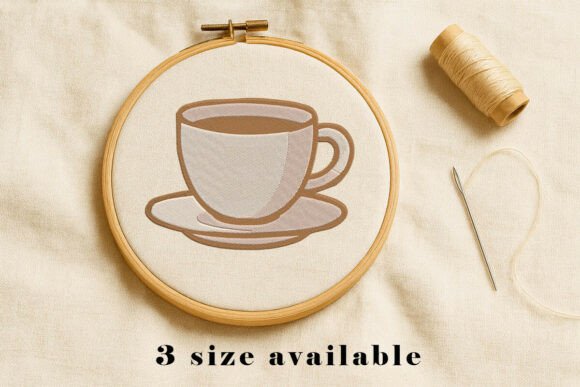
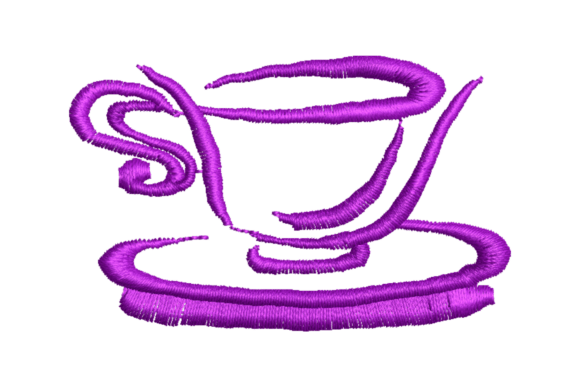
This elegant tea cup and saucer embroidery design captures the peaceful beauty of a cozy tea moment. The delicate curves of the cup, resting gracefully on its matching saucer, evoke feelings of warmth. For those of us running small businesses, that emotional connection is exactly what drives impulse buys. But does it hold up under the harsh lighting of a convention center or the scrutiny of an online shopper?
First Impressions: Elegance Over Novelty
When I first loaded this digital embroidery file into my software, the immediate impression was one of refined simplicity. It is not loud, funny, or overly rustic. Instead, it leans heavily into the "cottagecore" and modern farmhouse aesthetic that has dominated home decor trends for years. The lines are clean, suggesting a premium feel rather than a cheap novelty item.
For a craft fair product, clarity is king. Customers walking past your booth have seconds to decide whether to stop. This design works because it is instantly recognizable. There is no confusion about what it is. It feels soft, minimal, and decorative. It avoids the trap of being too busy, which is crucial when you are trying to convey a sense of calm and quality.
Versatility Across Product Lines
The true test of any embroidery file is its versatility. Can it survive on different fabrics? Does it scale well? Here is how I see the Tea Cup and Saucer Embroidery Design performing across various handmade products:
- Tote Bag Design: This is arguably the strongest candidate. A centered placement on a canvas tote creates an instant statement piece. The design is large enough to be seen from a distance but detailed enough to reward closer inspection.
- Apron Embroidery: Placing the cup on the bib of a linen apron adds a touch of whimsy and professionalism. It appeals to bakers and hosts who want their kitchen gear to look curated.
- Tea Towel Embroidery: While beautiful, this requires caution. Terry cloth or waffle weave textures can distort fine lines. If you choose this route, ensure the stitch count is optimized for textured fabric texture.
- Embroidered Patch: As a standalone patch, this design shines. It allows customers to buy a low-cost item and apply it themselves, expanding your market to DIY enthusiasts.
- Pillow Covers and Pouches: These make excellent high-margin items. The design acts as a focal point without overwhelming the fabric, making it perfect for gift sets.
Production Practicality for Small Shops
For an Etsy seller or boutique maker, time is money. A design that takes twenty minutes to hoop and stitch is ideal; one that requires constant thread breaks and trimming is a profit killer. The Tea Cup and Saucer Embroidery Design appears to have smooth curves, which generally means fewer jumps and cleaner finishes. However, you must check the stitch density. If the saucer area is too dense, it may cause puckering on lightweight cottons.
Batch production is where this design excels. Because it relies on classic shapes rather than trendy fonts or complex shading, it remains relevant season after season. You can produce a stack of tote bags in January and still sell them in July. This consistency helps maintain brand consistency and reduces the stress of constantly creating new design assets.
Careful-Use Notes and Technical Constraints
Before you commit to a large run, consider these technical limitations. While the design is elegant, it has potential pitfalls if not handled correctly:
- Tiny Details: Check the handle of the cup. If it is too thin, it may break during washing or wear. Reinforce this area with appropriate underlay stitches.
- Dark Fabric: If stitching on navy or black, ensure your thread colors have enough contrast. A pastel cup on a dark background needs bright, vibrant threads to pop.
- Curved Surfaces: Stitching this on a cap can be tricky. The curvature of the front panel might distort the circular shape of the saucer. Always test on a similar curved surface first.
- Small Lettering: If the design includes any text, verify it is legible at smaller sizes. If it is purely graphical, you avoid this issue entirely.
Enhancing Visual Appeal and Buyer Engagement
In a crowded marketplace, visual appeal drives sales. The Tea Cup and Saucer Embroidery Design contributes to a sense of handmade quality. It signals to the buyer that care was taken in the creation process. When displayed alongside other items, it strengthens your booth display by adding a cohesive theme. It invites the customer to imagine their own cozy moments, increasing buyer engagement.
For online listings, this design photographs beautifully. It looks great in a printable mockup or staged lifestyle photo with real teacups and flowers. High-quality images of the finished product can significantly boost click-through rates for commercial embroidery listings.
Designer’s Checklist Before Production
As a professional, I never skip the testing phase. Here is my recommended workflow before selling this as a small shop product:
- Test on Scrap Fabric: Always stitch out a sample on the exact material you plan to sell. Do not assume it will work on all cottons equally.
- Check Thread Contrast: Ensure the thread colors complement the fabric. Sometimes a subtle shift in shade makes the design disappear.
- Review Spacing and Hoop Size: Confirm the hoop size required. Ensure the design fits comfortably within your standard hoops without needing excessive re-hooping.
- Inspect Stitch Density: Look for areas that are too thick. Use a stabilizer that matches the fabric weight to prevent distortion.
- Create Real Mockups: Take photos of the actual stitched item, not just digital renders. Customers trust real photos more.
- Confirm Commercial Licensing: Before selling any finished product, verify the license terms of the digital embroidery file. Ensure you have the right to sell physical items made with this design.
In conclusion, the Tea Cup and Saucer Embroidery Design is a strong contender for any embroidery business focused on home goods and accessories. It balances aesthetic appeal with production efficiency. By paying attention to fabric choice and stitch quality, you can turn this simple image into a profitable staple of your craft fair inventory. It is not just a design; it is an invitation to slow down and enjoy the moment, which is a powerful message for today’s consumers.