Reviewing the Fall and Pumpkin Embroidery Pattern
As a designer who has spent countless hours digitizing and stitching out embroidery files, I approach every new machine embroidery design with a mix of curiosity and skepticism. We have all been there: you download a file that looks stunning in the preview, only to find it turns into a bird’s nest of thread on your actual fabric. That is why I took a close, practical look at the Fall and Pumpkin Embroidery Pattern. This isn’t just about whether it looks cute on a screen; it is about how it performs when the needle hits the cloth.
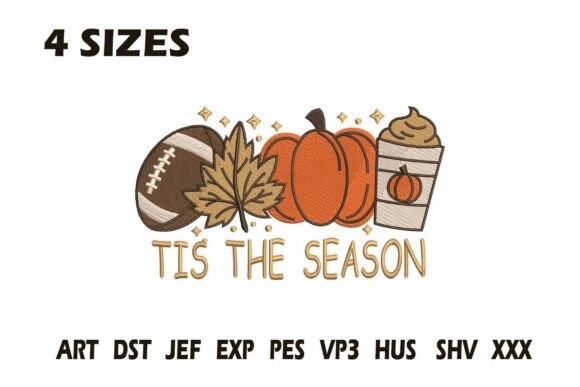
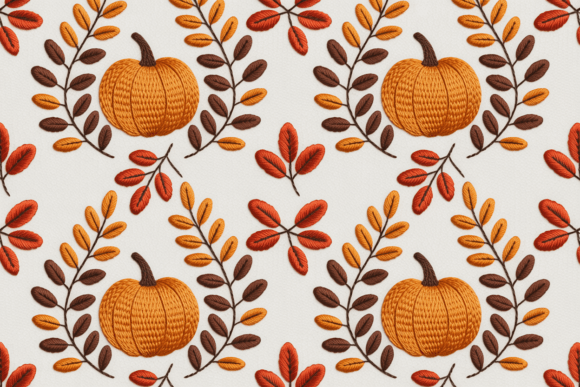
The first impression of this design is its delicate balance. Unlike many seasonal graphics that rely on heavy, blocky shapes, this pattern features delicate wildflower stitches on a soft linen texture. It creates an elegant, handcrafted aesthetic that feels more like high-end boutique decor than mass-produced holiday merchandise. For embroidery designers and small business owners, this distinction is crucial. It signals quality. When I visualize this stitched out, I do not see a generic pumpkin patch; I see a refined autumnal motif that could elevate a simple tote bag or a premium sweatshirt into a statement piece.
Real-World Application and Versatility
To truly evaluate an embroidery project, you have to imagine it in context. I recently worked on a custom order for a local boutique looking to update their autumn inventory. They wanted something that felt organic and warm, avoiding the neon oranges and stark blacks typical of Halloween decor. The Fall and Pumpkin Embroidery Pattern fit this brief perfectly. I imagined it centered on a natural canvas tote bag design. The wildflower elements soften the traditional pumpkin shape, making it appealing for customers who want subtle seasonal nods rather than loud holiday statements.
Beyond tote bags, this design shows strong potential for sweatshirt embroidery. Because the details are fine and the layout appears balanced, it would sit beautifully on the left chest of a crewneck or as a larger back print on a lightweight fleece. For Etsy sellers and craft business owners, versatility is key to maximizing return on investment. This pattern could easily transition from apparel to home decor. Imagine it stitched onto linen pillow covers or kitchen tea towels. The "soft linen texture" mentioned in the description suggests the design mimics the look of hand-stitched work, which adds perceived value to the finished product.
It is also worth considering this for baby embroidery projects. The gentle curves and floral accents make it suitable for nursery decor or personalized baby blankets, provided the stitch density is appropriate for sensitive skin. However, always check the specific file details before committing to infant items.
Technical Considerations for Stitching
While the aesthetic is promising, the technical execution is where many designs fail. When working with a design that promises "delicate wildflower stitches," you must pay attention to stitch density. If the density is too high, the fabric will pucker, especially on lighter materials like cotton or linen. If it is too low, the coverage may look sparse and unprofessional. I recommend running a test stitch-out on scrap fabric that matches your final project material. This is non-negotiable for professional results.
Fabric choice plays a massive role here. The design’s elegance shines on stable, woven fabrics like cotton, linen, or canvas. These materials hold the shape of the satin stitch and fill stitch elements well. However, caution is needed with stretchy fabrics like jersey knits. Without proper stabilization, the delicate details might distort during washing. Always use a high-quality cut-away or tear-away stabilizer depending on the fabric weight. For caps or curved surfaces, the design’s layout needs to be checked for distortion. Complex, wide designs often struggle on the front panel of a cap unless they are specifically digitized for that hoop shape.
Another critical factor is thread color contrast. Since this is a Graphics pattern with intricate details, using threads that are too similar in shade can cause the design to lose definition. I suggest testing different thread colors to ensure the wildflower elements stand out against the pumpkin base. A monochromatic look can be chic, but it requires precise tension settings to ensure every stitch is visible.
Navigating Limitations and Best Practices
No design is perfect for every scenario. There are specific situations where you should use the Fall and Pumpkin Embroidery Pattern carefully. First, consider the hoop size. If the design is large, ensure your machine can accommodate it without excessive re-hooping, which can lead to alignment issues. Second, be wary of using this on dark fabrics if the design relies on light-colored threads for detail. Sometimes, digital previews do not accurately represent how underlay stitches interact with dark backgrounds, potentially causing a "shadow" effect.
For those creating commercial embroidery items, durability is paramount. If this design is intended for items that will be frequently washed, such as aprons or children’s clothing, inspect the stitch connections closely. Tiny, isolated stitch areas can unravel over time. Reinforcing these areas or adjusting the underlay can help secure the design. Additionally, if you are creating an embroidered patch, ensure the edges are clean and that the design does not extend too close to the cut line, which could compromise the patch’s integrity.
It is also important to verify the licensing terms. As a digital embroidery file, it may come with restrictions on commercial use. Always confirm whether you can sell the handmade product or if the license is for personal use only. This is vital for maintaining professionalism and avoiding legal issues down the line.
Enhancing Brand Value and Customer Appeal
From a business perspective, the right design can significantly boost brand consistency and customer trust. The Fall and Pumpkin Embroidery Pattern offers a sophisticated look that aligns well with brands focusing on natural, artisanal, or eco-friendly values. Using such a refined applique design or standard stitch pattern can differentiate your small shop product from competitors who use generic, clip-art-style graphics.
When presenting this design in your online store, use high-quality printable mockup images that show the texture of the stitches. Customers buying online cannot touch the product, so visual clarity is everything. Show the design on various items—perhaps a cozy sweater, a structured tote, and a framed hoop art piece. This helps buyers visualize the personalized gift potential and increases the likelihood of conversion.
In conclusion, the Fall and Pumpkin Embroidery Pattern is a strong contender for autumn collections. Its blend of seasonal theme and elegant detailing makes it versatile for various Patterns and applications. By paying attention to technical details like stabilizer choice, thread contrast, and fabric compatibility, you can ensure that the final result matches the high promise of the initial design. For the serious maker, this is not just a file; it is a tool to create lasting, beautiful pieces that customers will cherish.