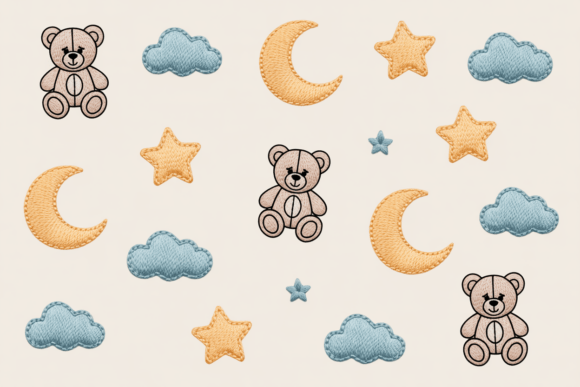
Review: Baby Embroidery Pattern for Handmade Projects
As an embroidery designer who spends countless hours digitizing and stitching, I am always on the lookout for design assets that bridge the gap between digital convenience and authentic handcrafted charm. Recently, I explored the Baby Embroidery Pattern available on Creative Fabrica to determine if it holds up under the scrutiny of real-world production. For those of us running small businesses or selling on platforms like Etsy, finding reliable design assets is crucial. This review breaks down my experience with this specific pattern, focusing on its aesthetic appeal, practical application in commercial embroidery, and tips for achieving a professional finish.
First Impressions: Delicate Wildflowers on Linen
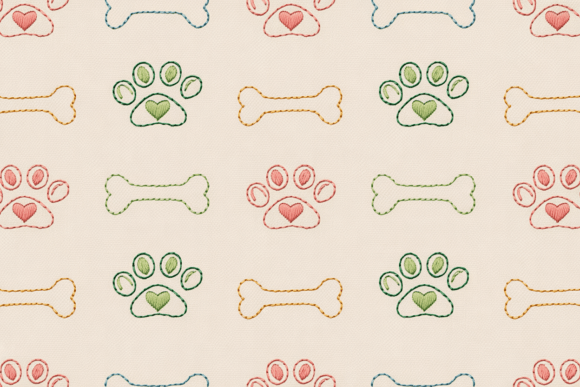
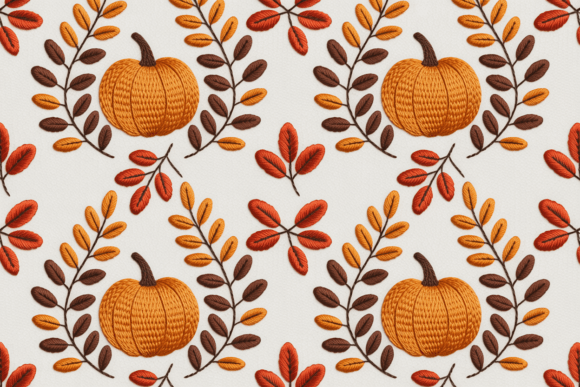
The first thing that strikes you about the Baby Embroidery Pattern is its visual mood. The preview images showcase delicate wildflower stitches set against a soft linen texture, immediately conveying an elegant, organic feel. In a market saturated with bold, high-contrast designs, this subtlety is refreshing. It suggests a design personality that is gentle and refined, making it an excellent choice for projects where sophistication is key.
The detail level appears high, with intricate line work that mimics the look of hand-stitched embroidery. For designers creating printable mockup libraries or looking to enhance their brand’s visual identity, this kind of nuanced graphic can elevate the perceived value of a product. It does not scream for attention; rather, it invites closer inspection, which is exactly what you want for high-end handmade goods.
Real-World Application for Commercial Embroidery
When considering a new machine embroidery design, I always ask: "Where does this belong?" Based on the wildflower motif and delicate nature of the Baby Embroidery Pattern, several applications come to mind. This is not necessarily a design for heavy-duty workwear, but it shines in softer, more personal contexts.
- Custom Apparel: Imagine this stitched onto the cuff of a linen shirt or the hem of a baby onesie. The organic theme pairs beautifully with natural fibers.
- Tote Bag Design: A canvas tote featuring these wildflowers could serve as a chic everyday accessory, appealing to customers who love botanical aesthetics.
- Nursery Decor: Given the "Baby" title, this pattern is ideal for nursery wall art, pillow covers, or blanket accents. The soft imagery aligns perfectly with calming nursery themes.
- Personalized Gift Items: Kitchen towels and aprons adorned with these flowers make thoughtful housewarming or bridal shower gifts.
For Etsy sellers and boutique owners, using this pattern can help create a cohesive collection. Whether you are selling finished products or offering custom embroidery services, the versatility of this design allows it to fit into various product lines without feeling out of place.
Technical Considerations for Stitching Success
While the visual appeal is strong, the technical execution is where many designers face challenges. Since the product description highlights "delicate wildflower stitches," we must consider how these translate to actual thread on fabric. Here are some practical notes to keep in mind before you hit the start button on your machine.
Fabric and Stabilizer Selection
The delicate nature of the design means that fabric choice is critical. On textured fabrics like linen or cotton canvas, the stitches should hold well. However, if you are working with stretchy fabrics for custom apparel, such as jersey knits for sweatshirt embroidery, proper stabilization is non-negotiable. I recommend using a cut-away stabilizer for garments that will be washed frequently to prevent distortion. For woven fabrics like those used in tote bags or pillow covers, a tear-away stabilizer may suffice, but always test on scrap fabric first.
Stitch Density and Detail
Delicate designs often rely on fine lines, which may utilize running stitch or light satin stitch techniques. If the stitch density is too low, the design might look sparse on darker fabrics. Conversely, if the details are too tiny, they may get lost or cause thread breaks. Before committing to a final product, inspect the small details after stitching a test sample. Check if the wildflower petals maintain their shape or if they pull together. Adjusting your tension and ensuring your needle is sharp can make a significant difference in the clarity of these fine elements.
Hoop Size and Placement
Always confirm the hoop size required for the embroidery file. While wildflower motifs can often be scaled, shrinking them too much might compromise the integrity of the stitches. For curved surfaces like caps, ensure the design fits within the usable area of your cap frame. If you are creating an embroidered patch, consider using a dense fill stitch border to encase the delicate flowers, providing a clean edge for cutting and application.
Enhancing Product Value and Brand Consistency
In the world of handmade business, presentation is everything. The Baby Embroidery Pattern offers more than just a pretty image; it contributes to the overall narrative of your brand. Using consistent, high-quality graphics helps build buyer trust. When customers see a cohesive aesthetic across your finished product lineup, they perceive higher quality and professionalism.
For digital product sellers, this pattern can be used in printable mockup creations, allowing you to showcase how the design looks on various items without physically stitching every sample. This saves time and resources while still providing potential buyers with a clear vision of the end result. Furthermore, the elegant handcrafted look appeals to customers seeking unique, non-mass-produced items, thereby increasing the giftability of your products.
Licensing and File Details
Before integrating any Creative Fabrica embroidery asset into your commercial workflow, it is essential to review the licensing terms. While many patterns on Creative Fabrica allow for commercial use of finished physical items, rules regarding digital resale or mass production can vary. Always check the product page for specific details on file formats, machine compatibility, and license restrictions. Ensuring you are compliant protects your business and respects the original creator’s rights.
Additionally, verify the included file types. Most professional digital embroidery files come in multiple formats (such as PES, DST, JEF) to accommodate different machine brands. Confirming this beforehand prevents last-minute conversion issues that can alter stitch paths and affect quality.
Final Thoughts on the Baby Embroidery Pattern
The Baby Embroidery Pattern is a promising addition to any designer’s library, particularly for those specializing in soft, botanical, or nursery-themed projects. Its strength lies in its ability to convey an elegant, handcrafted look through digital means. By paying attention to technical details like stabilizer choice, thread color contrast, and stitch density, you can transform this digital asset into a stunning physical reality.
Whether you are decorating a simple kitchen towel or creating a high-end custom apparel piece, this pattern offers the versatility needed for modern creative entrepreneurs. As with any new tool, take the time to test, adjust, and refine your process. The result is a professional, beautiful product that resonates with customers and enhances your brand’s reputation for quality and care.