Little Locomotive Embroidery: A Designer’s Review
As an embroidery designer who has spent years digitizing and testing files for commercial use, I approach every new machine embroidery design with a critical eye. It is not just about whether the image looks cute on a screen; it is about how it translates to fabric, how it holds up in the wash, and ultimately, how it serves the brand identity of the small business owner purchasing it. Today, I am reviewing Little Locomotive Embroidery, a design categorized under Toys and Embroidery, to determine its viability for professional merchandise and branded patch use.
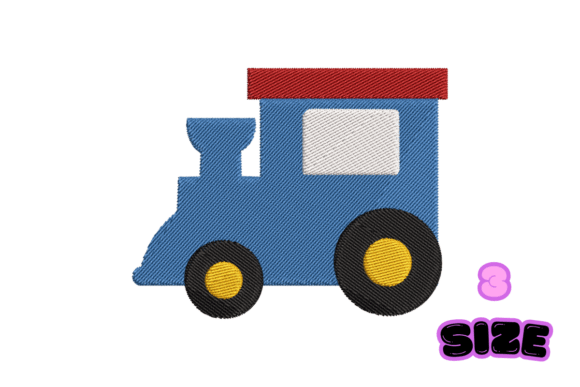
The product description promises to "turn everyday items into statement pieces" with a design that is both fun and elegant. For a business owner, this duality is crucial. You want something playful enough to engage customers but refined enough to signal quality. My initial impression of Little Locomotive Embroidery is that it strikes a balance between whimsical charm and clean execution. It does not feel overly childish, which makes it versatile for a wider range of applications beyond just children’s wear.
Visual Personality and Brand Fit
When evaluating a design for small business merch, the first question is always: what does this say about the brand? Little Locomotive Embroidery exudes a sense of movement and nostalgia. For a local café, a boutique toy store, or a creative studio, this design can serve as a subtle nod to journey, progress, or classic craftsmanship. It feels friendly and approachable, yet the "elegant" descriptor in the product details suggests that the digitizing likely avoids cluttered, messy fills that can look amateurish on finished products.
This visual personality makes it an excellent candidate for brands that want to project reliability mixed with creativity. Think of a florist using it on delivery vans or aprons, or a bakery using it on packaging accents. The locomotive motif is universally recognized, which aids in immediate customer recognition without requiring extensive explanation. It is a strong asset for building a cohesive brand identity that feels established yet warm.
Performance in Real Business Applications
The true test of any digital embroidery file is its performance across various substrates. Based on the description of versatility, here is how I envision Little Locomotive Embroidery performing in real-world commercial scenarios:
- Embroidered Patches: This is perhaps the strongest use case. A well-digitized locomotive design can be turned into a high-quality embroidered patch for jackets, bags, or hats. Patches allow businesses to create removable branding, which adds value to the finished product.
- Custom Apparel and Uniforms: For staff uniforms, such as work shirts or polo shirts, this design works well as a chest logo accent. It is distinctive enough to stand out but not so large that it overwhelms the garment.
- Apron Embroidery: In the hospitality industry, branded aprons are walking advertisements. Little Locomotive Embroidery adds a touch of personality to standard uniforms, enhancing the customer experience in cafes and boutiques.
- Cap Embroidery: Caps are a staple of promotional merchandise. The design’s shape likely lends itself well to the curved front panel of a baseball cap, provided the digitizing accounts for the curvature.
- Tote Bag Design: Tote bags are popular eco-friendly merchandise. Placing this design on a canvas tote creates a stylish, usable item that customers are likely to keep and use, extending your brand’s reach.
For Etsy sellers and crafters, this design offers a quick way to elevate simple items. By adding this motif to plain goods, you transform them into unique, handmade product offerings that command higher prices. It is also ideal for event merch, where quick, recognizable branding is essential.
Technical Considerations and Cautionary Notes
While the aesthetic appeal is strong, professional embroidery requires technical precision. There are specific areas where Little Locomotive Embroidery should be used with care. If you are planning to use this on small patch sizes, you must verify the level of detail. Tiny lettering or intricate outlines can become lost if the design is scaled down too far. Always check the minimum recommended size before production.
Stitch density is another critical factor. High-density designs can cause puckering, especially on lighter fabrics or curved surfaces like caps. If the design has heavy fill areas, ensure you are using the correct stabilizer to support the fabric. For dark uniforms, consider how the thread colors will contrast. A playful design needs vibrant, clear colors to pop against navy or black fabrics. If the design relies on subtle shading, it may not translate well on textured fabric or low-contrast backgrounds.
Additionally, items that undergo frequent washing, such as staff aprons or daily-wear caps, require robust underlay stitching. Before committing to a large run of commercial embroidery, always test the design on the actual fabric you intend to use. Fabric texture plays a huge role in the final appearance; a smooth polo shirt will yield different results than a rough canvas tote.
Enhancing Brand Value and Customer Trust
Using a professional-grade design like Little Locomotive Embroidery directly impacts perceived value. Customers associate high-quality embroidery with professionalism and attention to detail. When they see a crisp, well-stitched logo on their purchase, it builds trust in your brand. It signals that you care about the quality of your design assets and the longevity of your products.
Consistency is key. Using this design across various touchpoints—from employee uniforms to customer gifts—creates a unified visual language. This consistency reinforces brand recognition. Furthermore, offering embroidered merchandise allows for higher profit margins compared to printed items, as embroidery is perceived as a premium finish. For handmade brands, this distinction is vital in a crowded market.
Practical Designer Notes for Production
To ensure the best results with Little Locomotive Embroidery, I recommend following these practical steps before launching your product line:
- Test in Black and White: Before selecting your final thread palette, stitch the design in black and white. This helps you evaluate the contrast and clarity of the shapes without the distraction of color.
- Check Scalability: Verify if the design maintains its integrity at smaller sizes, such as on a pocket or a small patch. If details merge, you may need a simplified version for smaller applications.
- Review Thread Color Contrast: Choose thread colors that offer sufficient contrast against your base fabric. Vibrant colors work well for a playful theme, but ensure they align with your brand guidelines.
- Confirm Hoop Size: Check the required hoop size for the design. Ensure your machine can accommodate the necessary dimensions, especially if you are stitching larger items like tote bags.
- Create a Printable Mockup: Use a printable mockup to visualize the design on different products. This helps in marketing and client approval before any thread is wasted.
- Verify Commercial Licensing: Always confirm the license terms of the embroidery file. Ensure you have the right to use it for commercial purposes, especially if you are selling the finished items.
In conclusion, Little Locomotive Embroidery presents a compelling option for small business owners looking to add character and professionalism to their merchandise. Its blend of fun and elegance makes it suitable for a variety of industries, from hospitality to retail. By paying attention to technical details like stabilizer choice, fabric texture, and stitch density, you can leverage this design to create high-value, branded products that resonate with customers. Remember to test thoroughly and prioritize quality control to ensure every stitched item reflects the best of your brand.