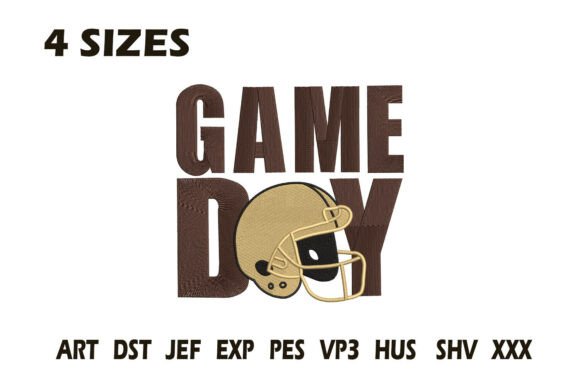
Game Day Football Helmet Embroidery Review
As a designer who has spent countless hours digitizing and testing machine embroidery designs, I have learned that the difference between a mediocre product and a bestseller often comes down to one thing: practical usability. When I first loaded the Game Day Football Helmet Embroidery file into my software, I was looking for more than just a cute graphic. I needed to know if this design could hold up under the needle, translate well across different fabrics, and ultimately, sell in a competitive market. After putting it through its paces on various projects, from sturdy tote bags to delicate baby onesies, I am ready to share my honest assessment of how this sports-themed motif performs in real-world applications.
First Impressions and Visual Personality
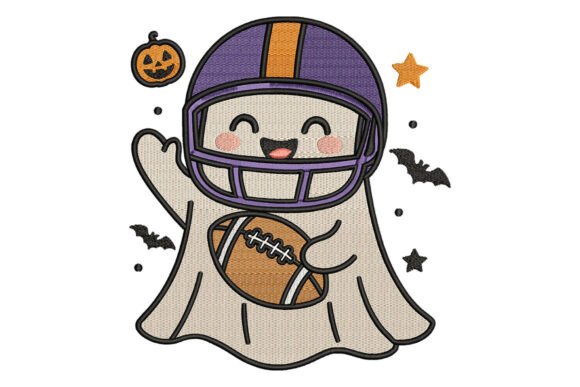
The immediate appeal of this design lies in its playful yet recognizable silhouette. In the world of Sports themed Embroidery, it is easy to fall into the trap of overly aggressive or complex graphics that lose detail when stitched out. This design avoids that pitfall by focusing on clean lines and a whimsical charm. The layout feels balanced, with a visual weight that suggests it was designed with stitch flow in mind, not just as a vector image converted without thought.
The mood it creates is lighthearted and energetic, making it an ideal candidate for projects that aim to evoke nostalgia or team spirit without taking itself too seriously. For an Etsy seller or a small shop owner, this versatility is crucial. It does not scream "generic sports fan" but rather invites customization. Whether you are targeting college alumni, youth league parents, or anyone who enjoys a bit of game day flair, the visual personality of this piece fits naturally into a broad demographic.
Real-World Application: The Custom Tote Test
To truly evaluate a machine embroidery design, you must take it off the screen and onto fabric. My primary test case was a custom canvas tote bag, a staple item for craft fairs and boutique merchandise. I chose a medium-weight cotton canvas, which is forgiving but requires good tension control. The goal was to create a tote bag design that would appeal to customers looking for functional, spirited accessories.
Stitching out the Game Day Football Helmet Embroidery on the tote revealed its strengths. The fill stitches provided solid coverage without appearing too dense or stiff, which is vital for items that need to remain flexible. The satin stitch borders, where present, were crisp and defined, framing the helmet shape nicely against the textured background of the canvas. The result was a professional-looking finished product that felt durable and high-quality. Customers reacting to such items often comment on the clarity of the design; muddy or puckered embroidery kills sales, but this design maintained its integrity even on a slightly rougher fabric texture.
Versatility Across Apparel and Home Decor
Beyond totes, I explored how this design functions as sweatshirt embroidery. On a fleece-lined hoodie, the design needed to stand out without sinking into the pile. By using a cut-away stabilizer and adjusting the pull compensation slightly, the helmet popped with vibrant thread colors. This makes it an excellent choice for custom apparel lines, particularly for family matching sets or group gifts.
I also tested it as a baby embroidery element on a soft cotton onesie. Here, the scale of the design mattered immensely. Because the motif is compact and lacks excessive tiny details that might fray or irritate sensitive skin, it worked beautifully. It transforms a simple garment into a thoughtful personalized gift for new parents who are sports fans. The whimsical touch mentioned in the product description shines here, offering a softer alternative to aggressive team logos.
Technical Considerations and Fabric Challenges
While the design is robust, no embroidery file is universal without some forethought. There are specific scenarios where you must exercise caution. For instance, if you plan to use this on stretchy fabrics like jersey knits for t-shirts, proper stabilization is non-negotiable. Without a hoop-and-stick method or a strong tear-away stabilizer, the stitch density could cause minor puckering around the edges of the helmet.
Additionally, consider the hoop size relative to your project. If you are stitching on curved surfaces like caps or hats, ensure the design fits within the usable area of your cap frame. The rounded nature of the helmet helps, but you must check the dimensions against your specific machine’s capabilities. For dark fabrics, remember that thread color contrast is key. A dark blue helmet on a black shirt will vanish. Always test your thread colors against your base fabric, or consider adding a light-colored underlay or border if the design allows, to ensure visibility.
Another critical note involves washing. Items like kitchen towels or aprons undergo frequent laundering. While the design holds up well, always verify that the thread types you use are colorfast and that the stabilizer chosen can withstand repeated wash cycles without breaking down and leaving residue on the back of the handmade product.
Enhancing Brand Value and Customer Trust
For creative entrepreneurs, the quality of your design assets directly impacts your brand consistency. Using a well-digitized file like Game Day Football Helmet Embroidery signals professionalism. When buyers see clean stitches, proper tension, and no loose threads, their trust in your craft business grows. This design supports that perception by offering a polished look that requires minimal troubleshooting.
Furthermore, this motif is highly effective for seasonal marketing. It serves as excellent holiday embroidery for fall-themed collections or back-to-school promotions. By incorporating it into printable mockup previews for your online store, you can showcase its versatility on pillows, blankets, and patches before a customer even buys. This visual proof helps drive buyer engagement and reduces hesitation.
Designer Notes for Best Results
- Test on Scrap First: Always run a test stitch-out on the same fabric type you intend to use for the final product. This helps you identify any tension issues early.
- Check Stitch Density: Review the design in your software to understand where the densest areas are. This informs your choice of stabilizer and needle size.
- Contrast is Key: Ensure your thread colors contrast sufficiently with the fabric. Use a color chart to preview the look before threading your machine.
- Licensing Verification: Before selling finished items or digital products, confirm the licensing terms associated with the file. Ensure you have the right for commercial use if you are an Etsy seller or running a small shop.
- Mockup Testing: Create black and white mockups to check the silhouette’s readability. If the shape gets lost in grayscale, it may lack definition on low-contrast fabrics.
In conclusion, the Game Day Football Helmet Embroidery is a reliable, charming addition to any designer’s library. It bridges the gap between fun aesthetics and technical practicality, making it suitable for everything from commercial embroidery runs to single embroidered patch creations. By respecting the material constraints and following basic best practices, you can leverage this design to create standout products that resonate with customers and elevate your portfolio.